
AI Residential Construction Estimating Software Explained

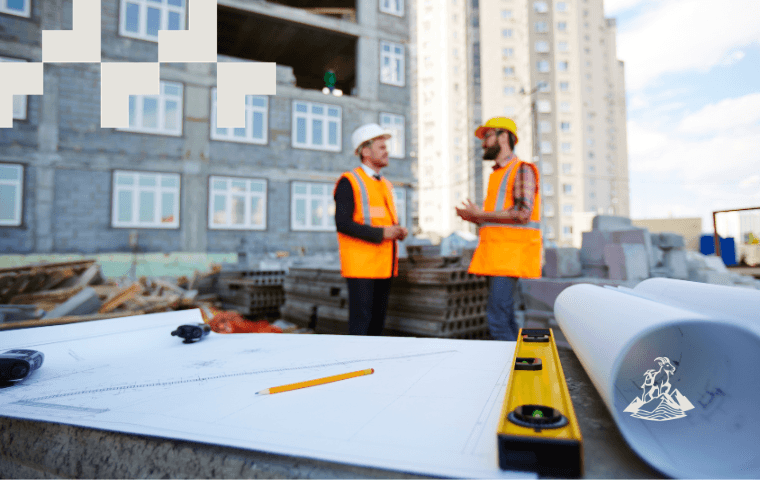
Residential estimating has never been easy. Even the most seasoned builders know the feeling of quoting a job, winning it, and then watching profits slip away due to unexpected labor costs or material price hikes. A small miscalculation in square footage or forgetting to include a task in your bid can cut into margins faster than most would like to admit.
For a long time, spreadsheets and a good eye were enough. That’s changed. Today’s homeowners expect faster responses, itemized breakdowns, and precise numbers… not ballpark estimates scribbled on a notepad. That’s exactly where residential construction estimating software steps in.
What’s more, with AI now built into many of these tools, builders can access speed, accuracy, and insights that would’ve taken hours to calculate manually. If you’re still estimating the way you did ten years ago, it’s time to look at how far these systems have come and what they can do for you.
Manual Estimating Is Costing Builders More Than They Realize
Estimating by hand, or even with basic spreadsheets, leaves too much room for error. You’re pricing projects based on memory, gut instinct, or outdated material costs, then crossing your fingers that it all works out in the end. That’s not a plan. It’s a gamble.
Builders lose jobs every day because their bids take too long to turn around. Others win jobs but lose money because they are underquoted. Both problems trace back to the same root: an outdated estimating process.
Let’s be honest. Every hour you spend triple-checking formulas or calling suppliers for the latest prices is time you could’ve spent managing crews or closing more business. Clients are expecting polished, professional quotes, and they’re comparing yours to the next contractor’s PDF estimate that looks like it was generated in 10 minutes with live data.
What Residential Construction Estimating Software Actually Does
Let’s clear something up: estimating software isn’t just a calculator. Good platforms are purpose-built for residential contractors. They don’t just crunch numbers; they build estimates based on real labor rates, material costs, local pricing, and project types.
With residential construction estimating software, you can:
- Generate fast, professional quotes from templates.
- Pull real-time pricing from supplier databases.
- Include line-by-line tasks, materials, and allowances.
- Save previous jobs to build more accurate future estimates.
This kind of system removes guesswork. You’re not just hoping you remembered everything; the software helps make sure you did. It acts as a checklist, calculator, and proposal builder all in one.
Whether you're a custom home builder, a remodeler, or a small residential contractor juggling multiple roles, this software isn’t a luxury. It’s becoming the standard.
How AI Estimating for Residential Builders Changes the Game
Artificial intelligence isn’t just for Silicon Valley startups. It’s already making a big difference in how builders estimate jobs, and it’s doing it quietly, in the background, where the real problems used to hide.
Here’s what AI estimating for residential builders is bringing to the table:
- Instant takeoff analysis: AI can scan plans, recognize rooms and materials, and generate quantity takeoffs faster than any human could.
- Smarter suggestions: Based on past projects, the software can estimate labor hours and material choices, or flag inconsistencies.
- Market-aware pricing: AI can adjust your estimates based on fluctuations in local material and labor costs.
- Time savings: What used to take two hours now takes 20 minutes, with greater accuracy.
Think of AI as a second set of eyes that’s trained on thousands of data points, and that helps you price jobs faster and with less risk.
Why It’s About More Than Just Estimating
At first glance, estimating software might seem like getting the price right. That’s a big part of it, sure, but there’s more to gain.
When you use residential construction estimating software consistently, you also:
- Deliver more polished, professional proposals
- Increase your chances of winning competitive bids
- Gain better visibility into your margins before the job starts
- Catch mistakes early, before they snowball into expensive fixes
Clients notice when your paperwork is clean, and your numbers are clear. So do your suppliers and subs. It sets a tone that says your business runs efficiently and that their project is in good hands.
What To Look for in Estimating Software
Not every tool is built the same. If you're comparing platforms, focus on software that was designed specifically for residential builders. You want more than just spreadsheets with a nicer interface.
Here’s what actually matters:
- Cloud-based access so you can estimate from the office or on-site.
- Templates built for residential jobs - kitchens, basements, new homes, remodels.
- Real-time cost libraries keep your material pricing up to date.
- AI features that learn from your past jobs and help improve future ones.
- Integration with your scheduling, invoicing, or CRM tools to streamline your workflow.
If the software feels like it was made for commercial contractors, or worse, generic freelancers, it probably won't match your workflow. Residential construction moves fast. You need tools that can keep up without creating extra work.
Real-World Example: Home Construction Estimating AI in Action
Let’s say you’re a local home builder quoting three projects this month: a kitchen remodel, a small addition, and a full custom home. Traditionally, you’d spend hours per job gathering prices, doing takeoffs, and manually entering data into proposals.
Now imagine AI doing the initial lift for you. It reads the floor plans, applies your standard pricing from previous jobs, accounts for local labor rates, and gives you a near-finished estimate in a fraction of the time.
You adjust a few line items, double-check the profit margin, and send it out — same day. Clients are impressed. You beat your competitors to the punch, and you didn’t have to lose a weekend doing it.
Tackling the Usual Pushback
Some builders are still holding back, and usually for one of three reasons.
“It’s too expensive.” The reality? Most residential construction estimating software pays for itself after the first job or two. The time you save and the accuracy you gain add up quickly.
“I’m not tech-savvy.” Good platforms know this and design with that in mind. If you can use a smartphone, you can use modern estimating tools.
“We already have a system.” If that system is Excel and a yellow legal pad, you’re not just leaving money on the table — you’re burning time you can’t get back.
Even if you're already using some kind of software, it's worth asking whether it's working for you or slowing you down.
How to Get Started Without Overhauling Everything
You don’t need to rip your operations apart to start using estimating software. Start with one project, one user, and one tool. Many platforms let you try them out on a single job before committing.
Look for:
- A short learning curve
- Onboarding support and tutorials
- Pricing based on company size, not enterprise-level contracts
- Options to expand into scheduling or invoicing later, if you need them
You’ll know it’s working when you’re spending less time building quotes and more time running your jobs.
Estimating Isn’t Just About Pricing Anymore
Today’s estimate isn’t just a number. It’s my first impression. It’s how a homeowner decides whether to trust you, and whether you’re worth the premium.
With home construction estimating AI behind the scenes, you're delivering more than just numbers; you're delivering precision, confidence, and professionalism.
Clients can tell when your proposal came from a cobbled-together template versus a purpose-built tool. And with AI learning from each job you do, your estimates only get stronger over time.
The Builders Using Estimating Software Are Winning More Jobs
Contractors who adopt these tools aren’t just working faster — they’re working smarter. They’re winning more bids, finishing jobs closer to budget, and building better relationships with clients. Why? Because their numbers hold up.
With residential construction estimating software, you’re not just guessing. You’re backing your bids with real-time data, historical trends, and smart tools that help you stay ahead of the curve.
And when your competitors are still struggling with manual entry and outdated pricing, you have an advantage hard to match.
It’s Time to Make the Switch
If you're still estimating jobs with guesswork and gut instinct, it’s time to stop. The technology exists, it's proven, and it’s more accessible than ever. Whether you're building custom homes, remodeling kitchens, or adding square footage to someone’s dream house, better estimating tools can help you run a better business.
AI estimating for residential builders isn't some futuristic idea. It's here, and it's changing how the best builders quote and manage their work. The question isn't whether you need estimating software; it's how much longer you can afford to go without it. Ready to streamline your estimating? Get On the Waitlist Today!